

About the Work
A body of work shaped through practice.
PHRONEXUSworks™ emerged from many years of practice, observation, research, instruction, and collaboration around problems that resisted conventional approaches.
It continues to develop through use—connecting experience, knowledge, perspectives, action, consequences, and learning.
An Evolving Body of Practice
How the architecture came into view.
Ways of thinking shaped practice. Practice developed methods. Repeated application produced mechanisms. Their relationships gradually revealed a coherent architecture.
Mindset
A way to think
Ways of engaging blend.
- Curiosity
- Inquiry
- Observation
- Research
- Discernment
- Systems thinking
- Practical judgment
- Openness to revision
Methods
A way to do
Practice gives inquiry form.
- Explore
- Frame
- Analyze
- Integrate
- Decide
- Learn
- Management
- Policy
- Systems engineering
- Modeling and simulation
- Consulting
- Training
Mechanisms
A way to make
Capability enters use.
- Architectures
- Models
- Processes
- Decision support
- Assessment
- Adaptation
- Useful in practice
- Adaptive in use
- Oriented toward outcomes
Emerging Architecture
The relationships settle into coherence.
PHRONEXUSworks™
A learning and operational architecture for navigating hard problems
- Application
- Consequences
- Assessment
- Learning
- Continued evolution
Learning renews Mindset and evolves the architecture.
Mindset generated Methods. Methods generated Mechanisms. Their continuing interaction revealed an architecture that learns through use.
PHRONEXUSworks™ emerged through sustained inquiry and practical application. It continues to evolve as action produces consequences, evidence, and new understanding.
How PHRONEXUSworks™ Developed
PHRONEXUSworks™ did not begin as a framework looking for a problem. It emerged over many years of practice, observation, research, instruction, and collaboration around problems that resisted conventional approaches.
Across different settings, a recurring pattern became apparent. The difficulty was often less a lack of intelligence, expertise, methods, or effort than the challenge of bringing them together—understanding a changing situation, recognizing different perspectives, framing what required attention, connecting knowledge with action, organizing capability, and learning from what happened next. That experience prompted a continuing inquiry into how people figure things out when neither the problem nor the solution can be taken for granted.
The acronym PHRONEXUS emerged from that inquiry: Practical Harmonic Relationships Organizing Needed Experience to eXpose Unclouded Solutions.
More important than the acronym itself was the idea behind it: practical relationships among experience, knowledge, people, purposes, methods, resources, and action can create greater coherence without eliminating the complexity of the situation.
Over time, those ideas were tested, connected, revised, and organized into PHRONEXUSworks™—a learning architecture for navigating hard problems. Learning became its common core. Mindset, methods, and mechanisms connect how people think, how work is organized, and how understanding becomes capability and action. Perspectives, spaces, cycles, Ends–Ways–Means, assessment, enablers, and functions developed as related parts of that architecture.
The books did not create PHRONEXUSworks™; they emerged from and contributed to its continuing development. Figuring Out Figuring Out, Navigating Hard Problems, and Anticipating Co-Evolution each explore, organize, apply, and extend different parts of a body of work shaped over a much longer period.
About the Author
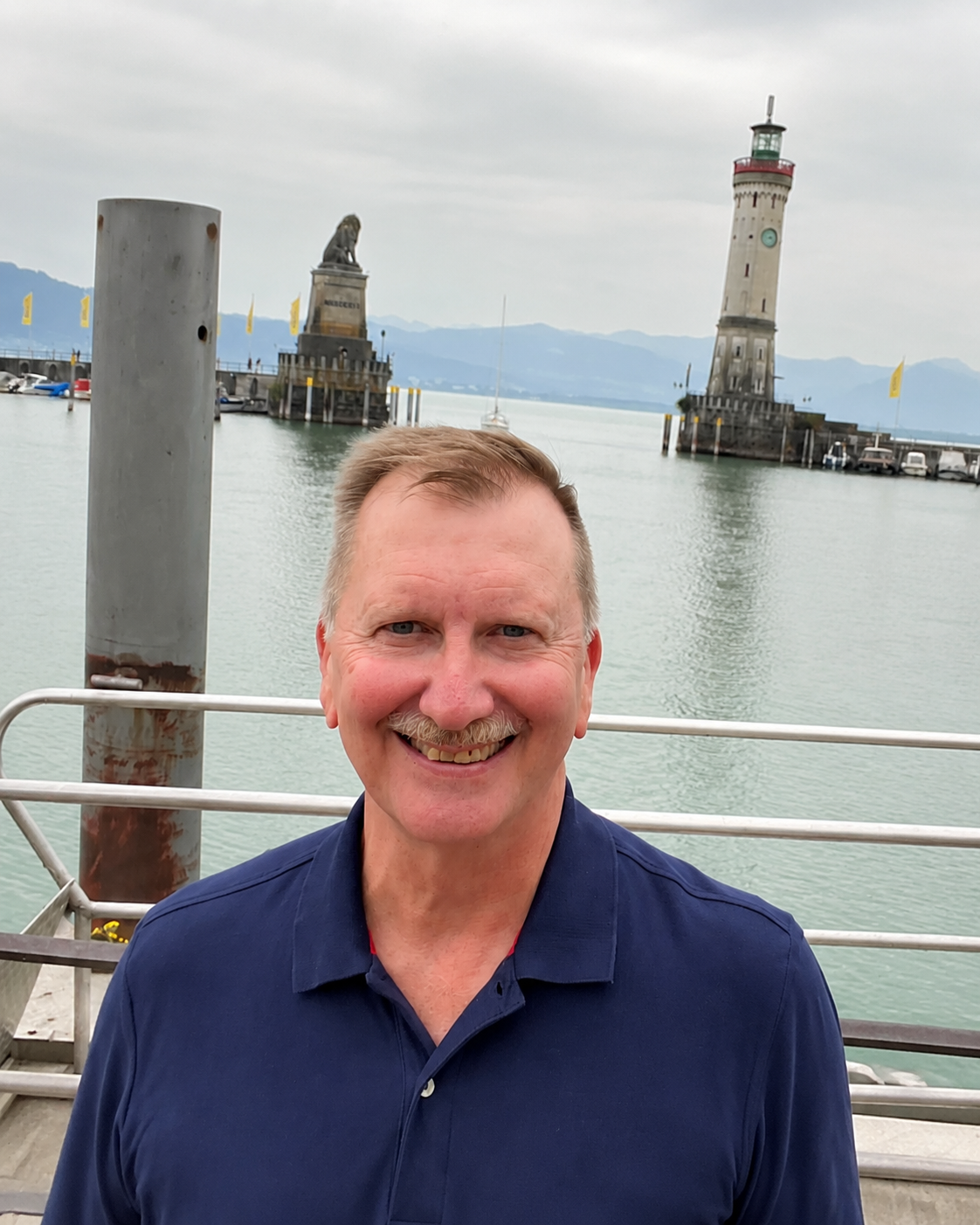
John A. Poirier, MPA, CSEP, PMP, is the developer of PHRONEXUSworks™ and author of Figuring Out Figuring Out, Navigating Hard Problems, and Anticipating Co-Evolution.
His perspective has been shaped by work across military, government, industry, consulting, nonprofit, research, and educational settings. Beginning as an enlisted member of the U.S. Navy and later serving as a naval officer, he went on to work with organizations and teams confronting problems that crossed professional disciplines, organizational boundaries, and different ways of understanding what was happening.
Across those experiences, he became increasingly interested in a practical question:
How do people bring different kinds of knowledge, experience, perspectives, methods, and capabilities together when the problem itself is still being figured out?
That question became a continuing focus of research, practice, teaching, writing, and collaboration. PHRONEXUSworks™ grew from that work and from the recognition that navigating hard problems requires more than applying individual methods well. It requires understanding relationships among people, purposes, knowledge, resources, action, consequences, and learning.
John continues to develop PHRONEXUSworks™ as both a body of work and an ongoing inquiry—exploring how people and organizations can better understand what is happening, organize what matters, connect learning with action, and adapt as situations evolve.
Continuing Development
The work continues through use.
That development continues through use. PHRONEXUSworks™ is increasingly being applied to its own evolution—understanding, organizing, acting, assessing, and learning from what it is becoming.
The result is a coherent and evolving architecture: a way to think, a way to do, and a way to make when the path forward has to be discovered while moving through it.